

Muskoka Lakes Museum
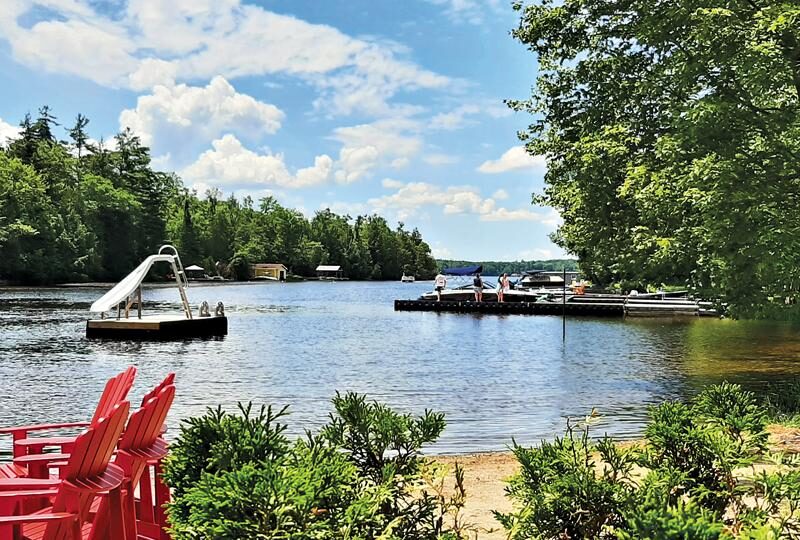
The pioneer spirit is quite literally at home on James Bartleman Island Park in Port Carling.
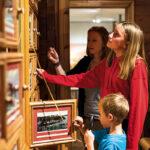
Since 1967, Muskoka Lakes Museum has exhibited and interpreted the area’s rich history. Brilliantly curated galleries full of diverse artifacts bring alive many facets of the past. The museum is large enough to be immersive, but small enough to hold a child’s attention and tire little legs.
Before Muskoka was cottage country, it was resort country, with more than one hundred of various sizes dotting the lakes. The Resort Room is designed to convey the feeling of stepping into the lobby of a typical Muskoka hotel in the early 20th century. There’s an interactive switchboard telephone, and the walls are lined with reprints of old postcards from the region’s many summer hotels, most of them long-gone.
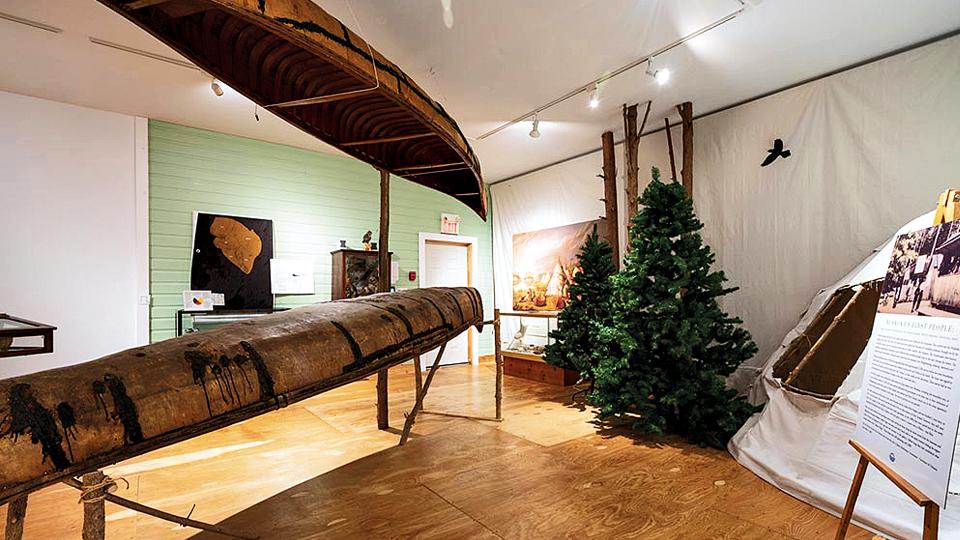
The Indigenous Gallery is dedicated to the region’s first inhabitants, the Anishinaabeg, and the Wahta Mohawk people. A replica wigwam, two authentic birch-bark canoes and a range of artifacts (some dating to 6000 B.C.E) demonstrate the traditional way of life. The gallery is particularly appropriate because traditional campgrounds were located just across the river. With the influx of tourists, Indigenous women found a steady market for their beautifully handcrafted baskets and moccasins.
The Marine Room honours Port Carling’s boat building heritage with a range of outboard motors, dating to as early as 1916, and several impressive wooden boats that were built for cottagers and resort guests. The most prominent artifact is a “Dippy,” a rare example of a Disappearing Propeller Boat built by W.J. Johnston, whose hallmark was a propeller shaft that folded into its cast-iron housing should it hit a shoal or log. Today, Dippies are among the most prized possessions in Muskoka.
Other exhibits include old logging tools such as a 1930s chainsaw and a portable blacksmith’s forge that shod horses at winter lumber camps in the winter, implements used in harvesting ice from the lakes, and items used by cottagers in past eras, most of whom were wealthy and demanded the comforts of home even in the wilderness.
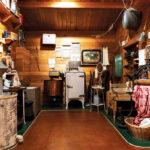
The museum’s largest artifact is the pioneer Hall House, where we learn about the way of life of the region’s settlers. An authentic 1870s log cabin, it was moved from its original site and reassembled in 1982. Note the massive size of the logs.
While exploring the museum, children can attempt a Fur Trade scavenger hunt.
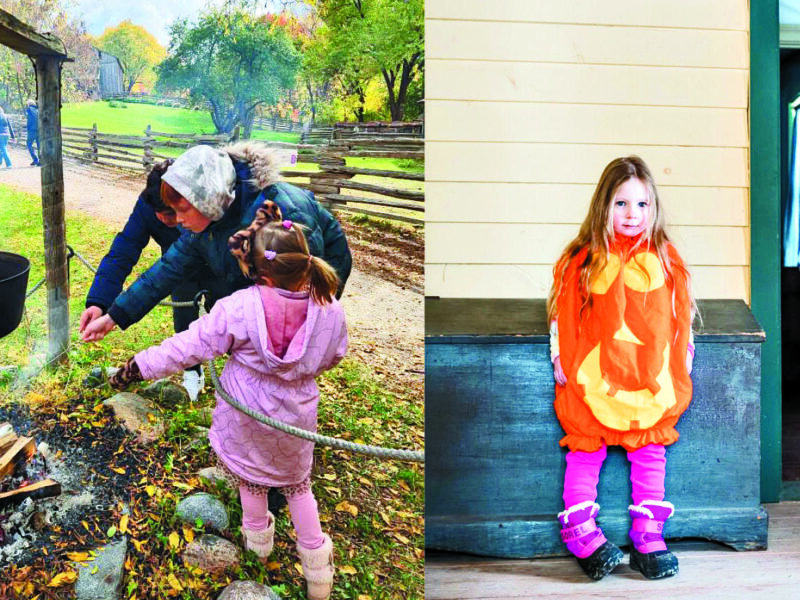
Summer weekends come alive at the museum, with families playing classic cottage games like bocce ball and croquet, and kids trying crafts and hand-on activities.
The Muskoka Lakes Museum kicks off the 2026 season with its annual May Open House on Saturday, May 16, from 10 a.m. to 4 p.m., with spring-themed crafts, all-ages activities, and a preview of this year’s new temporary exhibit.
Just the Facts
Location: James Bartleman Island Park
Web: mlmuseum.com
Admission: Adults: $10.00 | Seniors: $6.00 Students: $6.00
Families (2 adults and dependent children): $20.00
Children 5 and under: Free.