

The Power of “What If?”
After a long, frigid winter spent navigating snowbanks, heavy coats, and short days, March feels like a collective awakening. We emerge slowly from hibernation, drawn by longer light and the promise of spring. This year, that sense of renewal feels especially meaningful as I watch my grandson – just past one and eagerly heading toward two – discover the world with an enthusiasm that is both joyful and humbling.
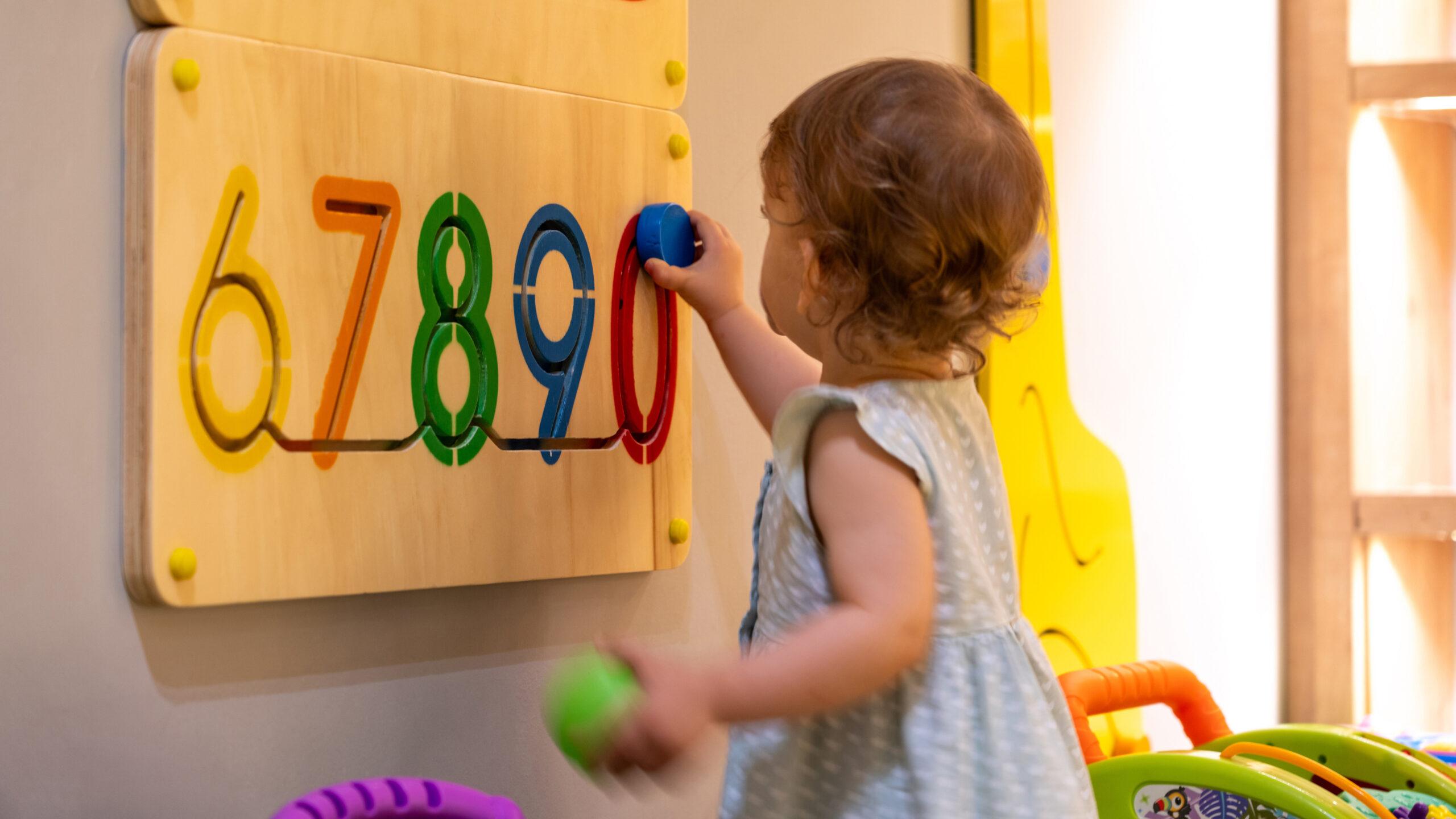
In just over a year, he has learned so much. From tentative first steps to confident movement, from babbled sounds to intentional words, from quietly observing the world to actively testing it. Every day brings a new experiment, and each moment seems guided by the same silent question: what if?
What if I chuck my food from the highchair just to watch the dog instantly hoover it up?
What if I act silly at the table and make everyone laugh?
What if I point to everything in the room – lamp, chair, window – just to hear my mom say the word again and again?
There is delight in cause and effect, comfort in repetition, and pride in realizing that actions have meaning. These moments may look small, even mischievous, but they are powerful. They are the building blocks of learning.
As grandparents, we’re given a special gift: perspective. We get to slow down and truly notice how learning unfolds – not through instruction alone, but through curiosity, connection, and play. Children don’t learn because they’re told to; they learn because they’re interested. Because they’re engaged. Because someone is there to respond when they point, ask, or try again.
Winter routines can narrow our focus, pushing us toward efficiency and outcomes. Spring invites us to widen it once more. It reminds us that learning doesn’t need to be rushed or perfected. It can be playful. It can be silly. It can begin with a beloved book read for the hundredth time, a tower built and knocked down, or a simple question asked out loud.
This month, we celebrate the power of “what if” at every age. From toddlers discovering language and laughter, to older children exploring ideas through books, hands-on play, and thoughtful experimentation. Curiosity is the common thread – and the foundation of lifelong learning.
Sometimes, the smallest learners – with a spoon in hand and wonder in their eyes – remind us of the most important lessons of all.