

How to raise a generous and caring generation
For centuries, parents in different countries and cultures have raised children to be kind, empathetic and generous. However, global and social issues over the last decade have created a more polarized and disconnected society. The effects of these ongoing challenges are changing how parents are raising their children. Teaching children to be generous and kind to others isn’t as embedded in their upbringing as it once was.
Raising a generous generation is easier than parents realize and can be naturally incorporated into the family’s routines. CanadaHelps, Canada’s largest online donation and fundraising platform, is an authority on generosity. They have created a list of five tips to help parents foster a generous generation.
Tap into their interests to find charitable events
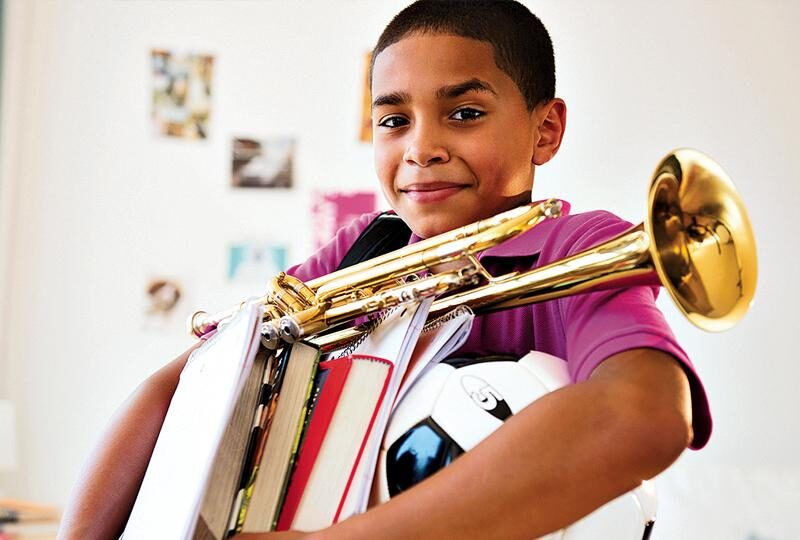
Children have their own interests, passions and hobbies. Regardless of age, people are more likely to get involved in charity when it connects them to something they enjoy. Finding causes and charitable events that tap into your child’s interests will create a natural enthusiasm to get involved and talk about generosity and kindness.
Encourage and practice hands-on giving
Hands-on giving turns caring ideas into real world actions. By taking a hands-on approach, children can feel and see firsthand how their generosity impacts their community.
There are a variety of things you can do to encourage hands-on giving such as helping a neighbour with their yard work and shovelling, going through clothes and toys and taking the items your family doesn’t need anymore to a charity that collects them, collecting food for a pet rescue or holiday hamper or offering to help a classmate study.
Role model – lead by example
Children often mimic what they see their parents do, so if you want your children to grow into a generous and caring adult, it’s important to lead by example. Rather than just talking to your children about being generous, show them how you give back. Talk to your children about the charities you’re involved with, let them see you making a difference.
Share inspirational stories
There are numerous great books and articles about other children and communities coming together to help others. By sharing these stories with your children, they can learn about other children’s generous acts and see how others are helping.
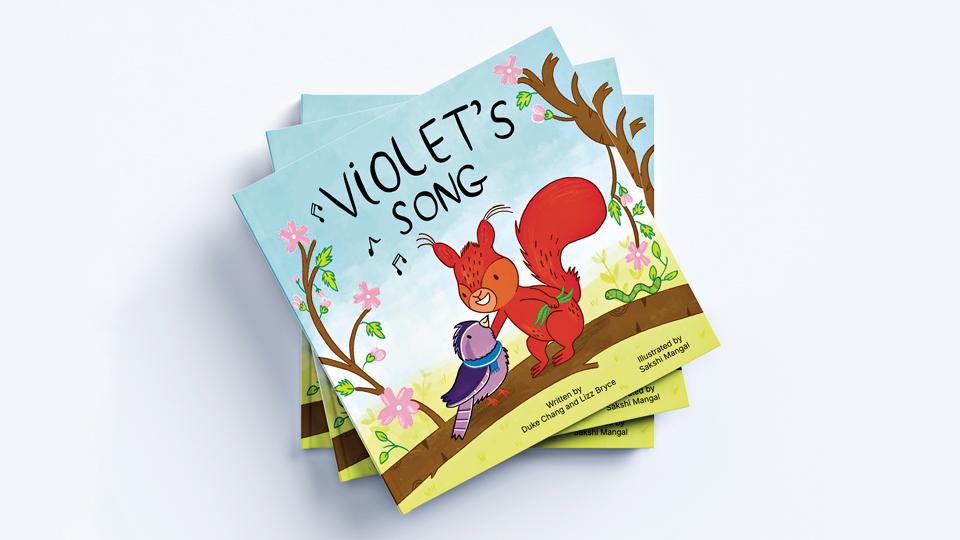
One such story is Violet’s Song, an inspirational story written by the CanadaHelps team. This engaging story is about woodland friends who come together to help one of its members. Each animal’s small individual act of kindness becomes part of a bigger contribution to help their bird friend. By contributing their own unique gift, each community member helps the bird, and in the end, they all win because of it.
Reflection and discussion
After your child has done something generous or charitable, talk to them about it. How did their act of kindness make them feel? Did they notice how the person or community reacted to their kindness? Realizing the benefits of generosity through reflection and discussion helps children develop a better understanding of the importance of being generous. It also encourages additional acts and can lead to developing lifelong habits of giving.
Children are the future. If we don’t teach our children to be more generous, it will make it more challenging for those organizations that rely on charity to do their work.
It can also have adverse impacts on social relationships, how to feel empathy or demonstrate kindness. By taking a conscious, hands-on approach to raising a generous generation, parents are not only investing in their children, but they are also investing in their community’s future. To lean more, visit CanadaHelps.